
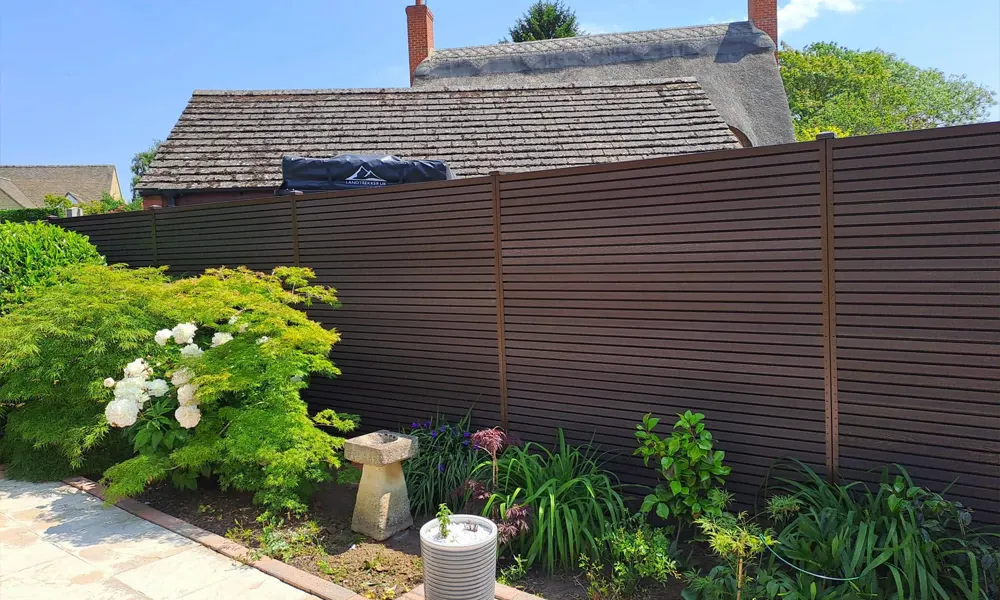
A new fence instantly boosts your curb appeal. It adds privacy for family barbecues and protects your property from coastal storms. If you are searching for fencing contractors near me, you need an expert not any old Joe. In Jersey, going local makes all the difference….
States of Jersey Planning and Building Law Controls Boundary Specifications
Permitted Development Rights Determine Fence Height Limits
Permitted development rights set a maximum height of 2 metres for internal garden fences. You can build or change a fence without formal planning permission if you stay under this limit. This rule applies to boundaries that do not touch a public road.
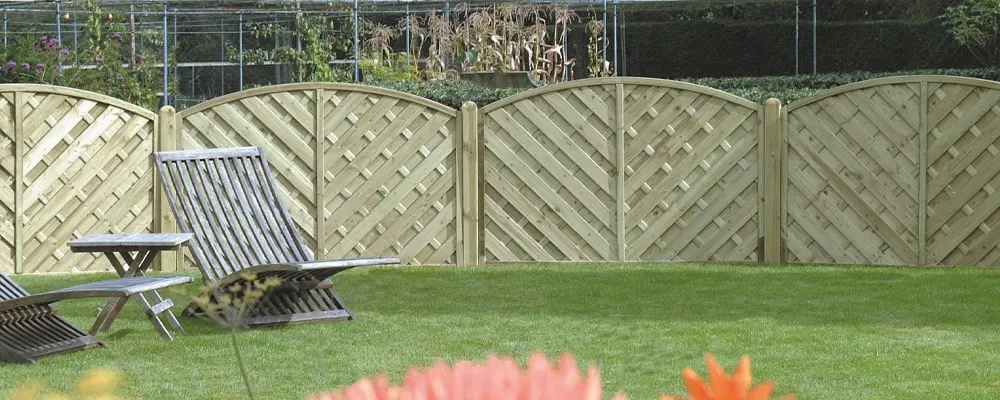
Exceeding 2 metres changes everything though. You will need to submit a planning application to the Department of the Environment before starting any work.
Road Boundaries Mandate Maximum Height Restrictions
Roadside boundaries restrict fence heights to a strict maximum of 1 metre. This rule applies to any fence, wall, or gate next to a public highway or footpath.
Low heights keep sightlines clear for drivers and pedestrians. They prevent dangerous blind spots at driveway exits. If your highway fence is too high, building control officers will take action and you will have to lower or remove the wall or fence at your own expense.
Listed Building Consent Safeguards Historical Structures
Listed buildings stops your permitted development rights altogether. You must get Listed Building Consent before altering any boundary.
This applies to traditional granite structures. Damaging or changing these historic walls without permission triggers immediate legal stop-notices. Always check the official heritage register first.
Conservation Area Fencing Regulations Dictate Material Selection
Conservation area rules restrict your choice of modern fencing materials. Local planning authorities want to protect the traditional look of island zones.
You cannot simply install cheap plastic panels. The regulations privilege natural materials that blend with the local environment.
Jersey Fencing Contractors Mitigate Geographic Structural Risks
Island Weather-Resistant MaterialsTo Endure our Coastal Weather Conditions
Island weather requires materials that survive harsh coastal conditions. Standard UK mainland fencing materials often fail quickly here.
Local contractors like us that are in the know will pick materials that handle salt spray, damp air, and heavy rain. This keeps your boundary strong for years.
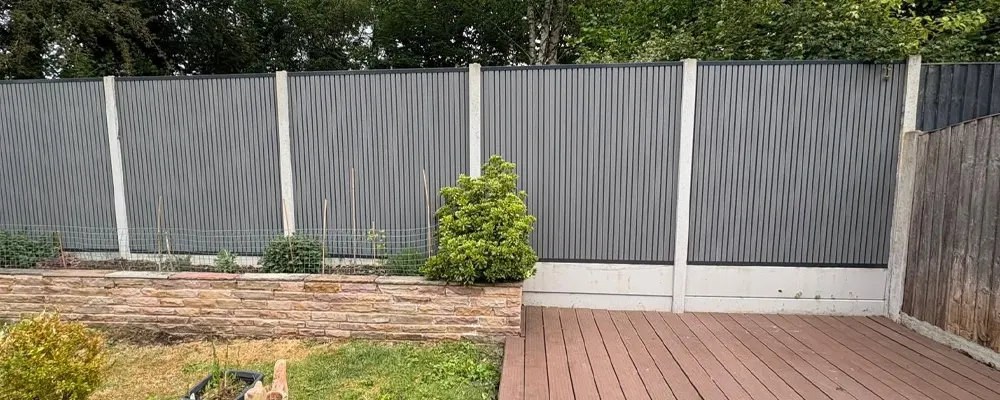
Spatial Constraints Demand Custom Timber Gate Fabrication
Bespoke timber gates are essential for Jersey’s unique property layouts. Traditional island homes have irregular entrances, narrow pathways, and historic stone pillars.
Mass-produced gates rarely fit these spaces. Our team will measure your site exactly. We build custom timber gates on-site for a perfect fit and smooth operation.
High-Wind Resistance Grading Prevents Structural Failure
High-wind resistance grading keeps your fence standing during Atlantic storms. Fences face extreme pressure in exposed areas.
Our contractors install heavy-duty posts and deep foundations to resist these forces. This will stops your fence from blowing over.
Local Planning Permission Requirements Dictate Installation Timelines
Planning applications set the schedule for your fencing project. You cannot build until you have the correct paperwork.
Our local contractors know the exact submission process. They handle site surveys and parish alerts to keep your project moving forward without delays.
Jersey Microclimate Factors Accelerate Material Degradation
Salt Spray Corrosion Resistance Preserves Fastener Integrity
Salt spray corrosion resistance stops your fence fixings from rusting away. High levels of airborne salt in Jersey quickly destroy cheap nails and screws.
This causes panels to loosen and leaves ugly red stains on the wood. Our local team use treated fasteners to prevent this damage.
Atlantic Gale Wind Loading Tests Post Foundations
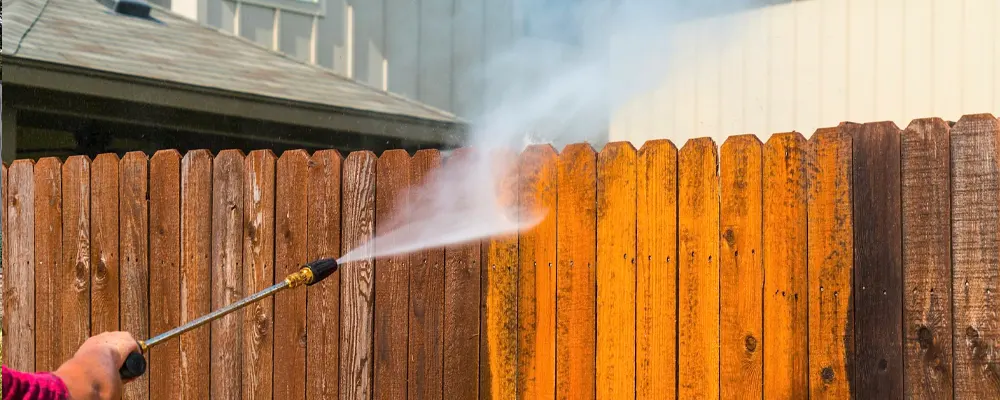
Atlantic gales place structural pressure on your fence line. Fences catch the wind like boat sails. This force pushes hard against the foundations. Proper installation ensures the posts are anchored deep enough to withstand these severe winter storms.
High Humidity Wood Rot Prevention Prolongs Fence Lifespan
Wood rot prevention counters Jersey’s damp sea climate. High humidity levels persist throughout the year. This moisture creates the perfect environment for fungus and wood-boring bugs. Using treated timber stops the wood from turning soft and crumbly.
Jersey Fencing Materials Optimise Longevity Assets
Pressure-Treated Scandinavian Redwood Resists Fungal Decay
Scandinavian redwood offers natural resistance to rot due to its tight grain. This timber grows slowly in cold northern forests. The dense wood fibres absorb chemical preservatives deeply during pressure treatment. It lasts much longer than cheap Simple whitewood panels.
Marine-Grade Stainless Steel Fixings Eliminated Rust Staining
Grade 316 stainless steel fixings never rust or stain your wood panels. These high-quality fasteners are completely immune to coastal salt air. Using them ensures your fence stays structurally sound. It also keeps the timber looking clean and bright.
Composite Fencing Panels Minimize Maintenance Cycles
Composite panels eliminate the need for annual painting or staining. These modern boards combine recycled wood fibres with tough polymers. They do not warp, crack, or split in the sun. You get a clean look with almost zero upkeep.
Local Granite Pillar Integration Anchors Boundary Integrity
Granite pillar integration combines historic island stone with modern fencing. Attaching timber or composite panels to existing granite walls creates a highly secure boundary. The massive weight of the stone provides an unmovable anchor for the new fence.
Closeboard Fencing Systems Deflect High Velocity Winds
Closeboard fencing uses overlapping vertical boards to handle strong winds. This design creates a very strong, solid barrier. The overlapping structure allows a tiny amount of flex under extreme pressure. It distributes wind force safely across the entire framework.
Fencing Installation Service Executes Site Preparation Protocols
Post-Hole Digging Traverses Challenging Jersey Terrain
Post-hole digging in Jersey requires tackling shallow soil and hard rock. Island ground often hides thick granite bedrock or loose coastal sand. Normal tools are not enough. Installation teams use heavy powered augers and breaker drills to reach the right depth.
Concrete Gravel Board Installation Isolates Timber Elements
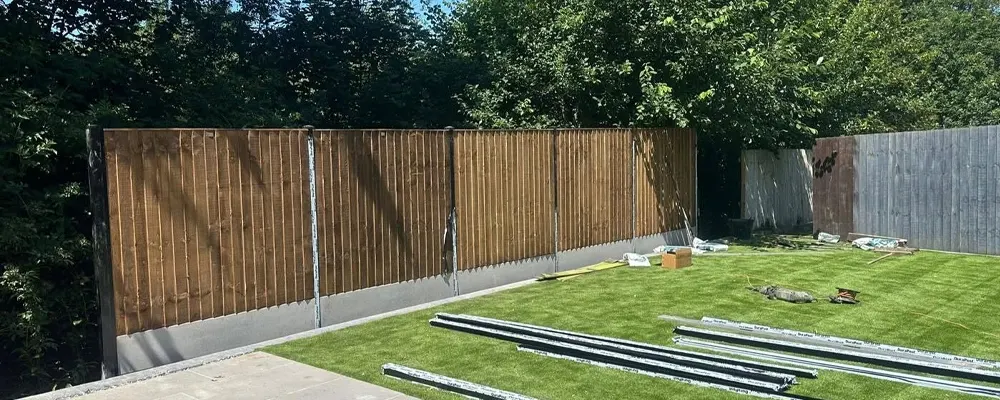
Concrete gravel boards keep your wooden panels away from damp soil. Placing a solid concrete barrier at ground level stops moisture from soaking into the bottom of the wood. This simple step prevents ground rot and extends the life of your fence.
Old Fence Dismantling Safeguards Adjacent Landscapes
Professional dismantling protects your garden beds and neighbouring properties. Taking down an old fence can easily ruin nearby plants or utility lines. Our Teams carefully remove rotten posts and old concrete bases without causing damage.
Green Waste Recycling Compliance Satisfies Local Environmental Laws
Green waste laws require proper disposal of all old fencing materials. You cannot just dump treated timber or old concrete anywhere. Contractors sort the debris on-site. They transport it to official island recycling depots to follow local waste laws.
Jersey Boundary Disputes Mandate Legal Verification
Title Deeds Establish Authoritative Property Boundaries
Title deeds provide the final word on where your property line sits. These official documents are registered at the Royal Court of Jersey. They show exact measurements and land ownership rights. Checking them first avoids costly arguments with neighbours.
Encroachment Resolution Protocols Correct Alignment Violations
Encroachment protocols fix situations where a fence crosses the true property line. Building a fence in the wrong spot can lead to legal trouble. Experts review the site dimensions to help neighbours agree on the correct layout or formalise changes.
Party Wall Agreements Formalize Shared Cost Ownership
Party wall agreements set out who pays for a shared boundary fence. This legal step ensures both neighbours agree on the height, design, and cost before work starts. It keeps the project friendly and clear for everyone involved.
Land Registry Maps Clarify Boundary Dimension Discrepancies
Land registry maps offer high-precision digital views of your property boundaries. Cross-referencing these maps with physical measurements gives absolute certainty. It tells your contractor exactly where to place the new fence posts.
Jersey Fencing Association Enforces Professional Accountability
Member Code of Conduct Standardizes Project Delivery
The association code of conduct guarantees fair pricing and reliable timelines. Vetted members must follow strict professional rules. This protects you from poor communication and unreliable work.
Professional Indemnity Insurance Protects Homeowner Assets
Indemnity insurance covers any accidental damage during the fence installation. If a contractor hits an underground pipe or damages a wall, the insurance pays for it. This keeps your home budget safe from unexpected repair costs.
Local Contractor Vetting Standards Eliminate Substandard Artistry
Vetting standards ensure you get high-quality work from trusted tradespeople. The association checks qualifications, safety records, and local references. This means you avoid cowboy builders and get a fence built to last.
Leave a Reply Cancel reply
Your email address will not be published.Required fields are marked *
Comment *
Name *
Email *
Website
Save my name, email, and website in this browser for the next time I comment.