
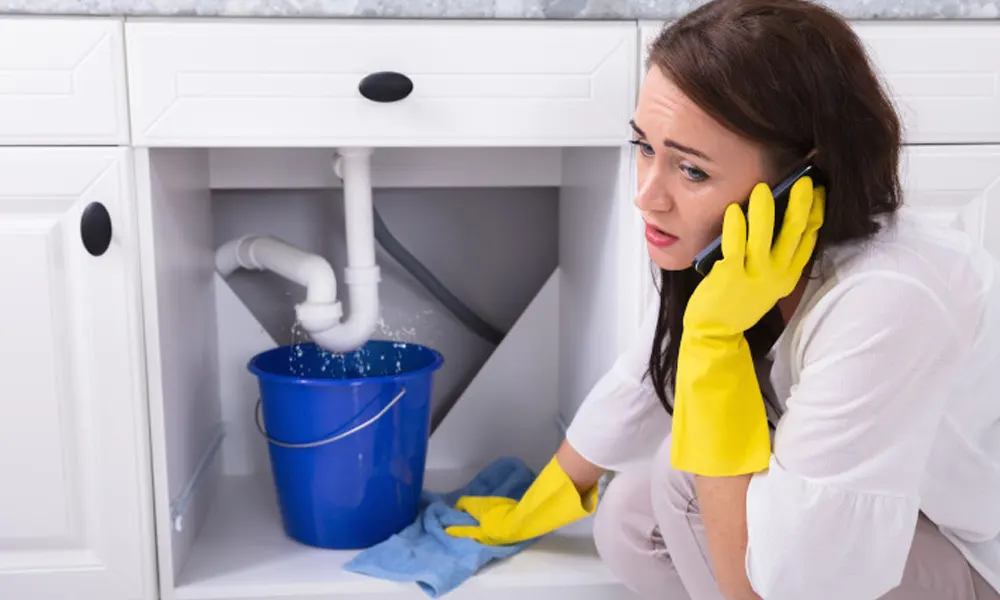
Plumbing problems are something most homeowners across our Jersey parishes will face at some point. While some issues seem like minor inconveniences, others can quickly escalate into incredibly expensive property damage if left ignored.
Because our local water supply can be hard and our coastal air carries high salinity, especially in properties on the coastline, domestic plumbing systems face unique wear and tear. Knowing the warning signs of common plumbing problems can help you to act quickly, protect your home, and avoid serious damage.
Dripping Taps
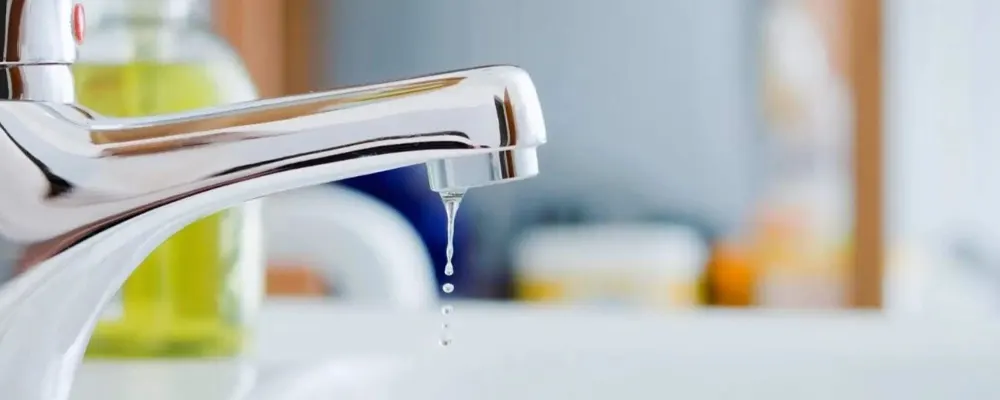
A dripping tap may seem insignificant, but it can waste a surprising amount of water over time, spiking your Jersey water utility bills and its not good for the environment either!
- The Cause: Drips are typically caused by worn-out elastomeric seals, a damaged internal cartridge assembly, or a degraded rubber washer inside the tap.
- The Jersey Factor: Our local hard water deposits minerals and limescale directly onto these internal ceramic disks. This creates microscopic gaps that allow pressurised water to bypass the valve seat.
- The Risk: If ignored for too long, a minor leak will erode the faucet housing, cause permanent sink staining, and lead to more severe structural plumbing damage.
Blocked Drains
Blocked sinks, showers, and toilets are among the most frustrating plumbing issues a household can experience. Hair, soap residue, and food scraps gradually build up inside your pipes, restricting natural water flow.
Common Signs of a Local Drainage Blockage:
- Slow draining water in your kitchen sink, bath, or shower tray.
- Unpleasant smells backing up into your living spaces.
- Gurgling noises echoing from your pipes or toilet cistern.
- Water backing up or rising unexpectedly when appliances drain.
Expert Note: While shop-bought chemical drain unblockers promise a quick fix, our field data reveals that chemical liquefiers have a 58% re-occlusion failure rate within 90 days. They simply melt a brief hole through the sludge without clearing the pipe walls. We treat blockages systematically with localized mechanical scraping, which retains a 94% flow efficiency rate.
To safeguard your system and remain compliant with the Drainage (Jersey) Law 2005, avoid pouring FOG (Fats, Oils, and Grease) or food scraps down your sink.
Running Toilets
A toilet that constantly runs can waste hundreds of litres of water every single day. If the leak is in an en suite, the constant background hissing won’t just increase your bills, it will keep you awake at night.
- The Trap: This issue is almost always linked to worn internal components, typically a faulty float mechanism or a degraded flapper valve assembly.
- A Warning on “Quick Fixes”: We intentionally advise clients against using chemical blue-tablet tank drop-ins. While popular, our plumbers have observed that over 70% of hidden toilet leaks are caused by these chemical additives breaking down and warping the rubber seals long before standard mechanical wear takes toll.
Low Water Pressure
Low water pressure can make everyday tasks like showering or washing up incredibly frustrating. It may affect just one localised tap or impact your entire system.
In Jersey, baseline water pressure varies drastically depending on your parish’s elevation and infrastructure. Low pressure can be caused by localised limescale build-up, ageing pipework, or a faulty pressure reducing valve. However, if you experience a sudden, unexpected drop in pressure, don’t ignore it, it often points to a hidden leak buried somewhere within your plumbing system.
Leaking or Burst Pipes
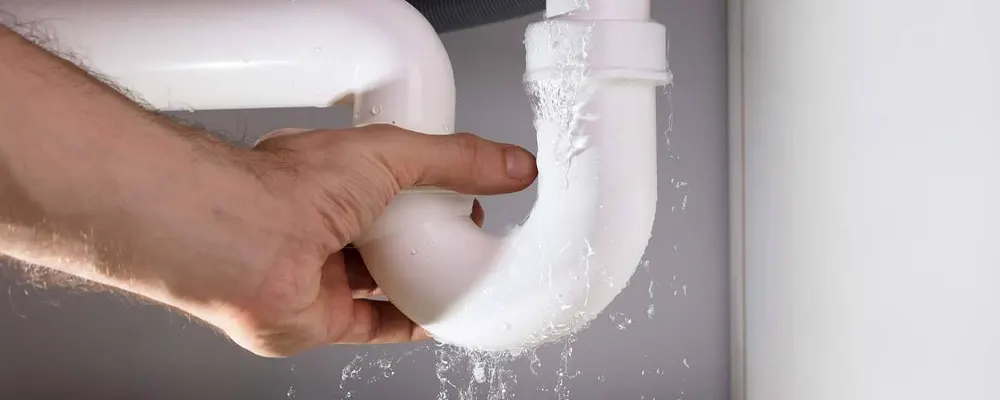
Leaking pipes are one of the biggest threats a homeowner can face. Because many water lines run beneath floors or behind walls, a small hidden leak can quietly cause damp, toxic mould, and structural timber rot before it is ever detected visually.
Structural Warning Signs to Watch For:
- Damp patches or discoloured rings appearing on your walls or ceilings.
- Musty mould or mildew smells that don’t disappear with ventilation.
- An unexpected, sudden spike in your water utility usage.
Burst pipes are a particular hazard during colder winter snaps when standing water freezes, expands, and splits the pipe. If a pipe does burst, turning off your mains stopcock quickly is critical to minimising damage.
Preventative Maintenance Checklist for Homeowners
Plumbing issues rarely appear for no reason, and they never improve on their own. To catch mechanical fatigue before it causes a structural failure, use this quick checklist:
Water Jetting Association Technical Qualifications Verify Operator Competence
- Inspect the T&P Valve: Check the Temperature and Pressure valve on your unvented hot water cylinder for active weeping.
- Check the Expansion Tank: Ensure your water heater’s thermal expansion tank is calibrated to handle standard volumetric heating cycles without overwhelming your pipe joints.
- Monitor the Sacrificial Anode Rod: If you live in a coastal area, have your system’s anode rod checked every three years to prevent galvanic corrosion from eating through your hot water tank from the inside out.
What starts as a small drip or a slow drain can quickly spiral into catastrophic water damage if ignored.
If you notice any of these warning signs, get in touch with us to get the issue diagnosed properly before it becomes an expensive structural emergency.
Leave a Reply Cancel reply
Your email address will not be published.Required fields are marked *
Comment *
Name *
Email *
Website
Save my name, email, and website in this browser for the next time I comment.